Direct answer
Oil canning is the visible waviness of thin, flat metal panels — a shallow elastic buckling of the skin, not a structural failure, and under most manufacturer warranties not a defect. It appears when residual stresses from coil processing and fabrication combine with wide panels, thin gauge, thermal load, uneven substrates, or over-tightened attachment, and it reads strongest on glossy, dark, flat surfaces under raking light. The controls are set at design time, not at closeout: thicker gauge, narrower modules, striations or minor ribs, backer rod behind the pan, floating clips that let panels move, tension-leveled coil, and matte low-gloss finishes. Because some waviness is inherent in flat architectural metal, the specification should define acceptable flatness and a viewing standard — distance, angle, lighting — instead of leaving acceptance to argument between trades after the wall is up.
Key takeaways
- Oil canning is elastic buckling of a thin flat skin. It is an appearance issue, and most warranties exclude it as a defect.
- Gauge, panel width, clip spacing, thermal load, substrate flatness and coil stresses all drive it; no single fix removes it.
- Striations, minor ribs, backer rod, floating clips and tension-leveled coil are the working prevention levers.
- High gloss and dark colors on wide flats are the worst-case combination; matte finishes hide what geometry cannot.
- Judge panels at a defined viewing distance under diffuse light, not with raking light at closeout.
- Over-tightening clips or fasteners can create the waviness the team then blames on the coil.
- Write acceptable-flatness and viewing-standard language into the spec; silence guarantees a dispute.
| Criterion | Typical range | Note |
|---|---|---|
| Cause | Residual stress + visual reading | Not usually a leak by itself. |
| Worse with | Wide, thin, glossy, dark flats | South and west sun add movement. |
| Better with | Profile, stiffeners, low gloss | Composite trays help but are not magic. |
| Gauge | Thicker resists visible buckling | Helps, but width and finish matter as much. |
| Attachment | Floating clips, correct torque | Pinned or over-driven fasteners lock in stress. |
| Substrate | Flatness telegraphs through | Set a substrate tolerance before panels arrive. |
| Inspection | Normal viewing distance | Do not inspect with raking light only. |
| Repair | Limited | Replacement or live-with is common. |
| Spec | Acknowledge it | Silence in the spec is a dispute. |
| Structure | Usually unrelated | Unless attachment is actually failing. |
Oil canning is the waviness that shows on flat metal panels. It is a design and specification issue, collected with the other design and specification guides and the metal wall coverings map. Industry wall-panel literature treats it as a known visual characteristic of flat metal, inherent to light-gauge cold-rolled product.
What is oil canning, mechanically?
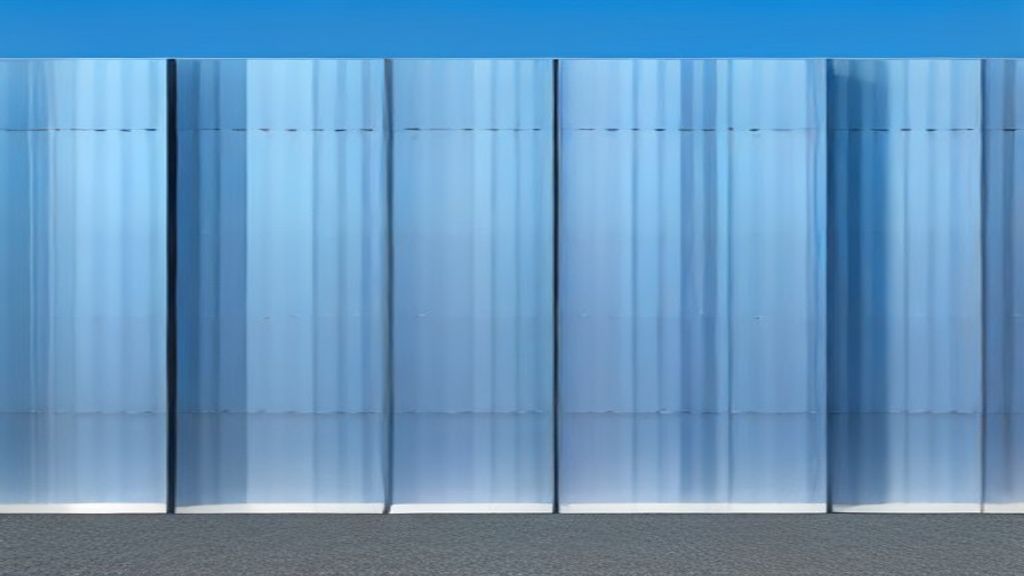
A thin flat sheet held at its edges is a membrane with almost no bending stiffness of its own. Put a small compressive stress into that sheet — from coil processing, from fabrication, from thermal expansion against fixed attachment — and the flat plane is no longer its lowest-energy shape. The skin buckles elastically into shallow waves, the way the bottom of an oil can pops between two stable positions. The deflection is small, the stress is low, and the panel is undamaged: press a wave and it moves, release it and it returns. Nothing is yielding and nothing is failing.
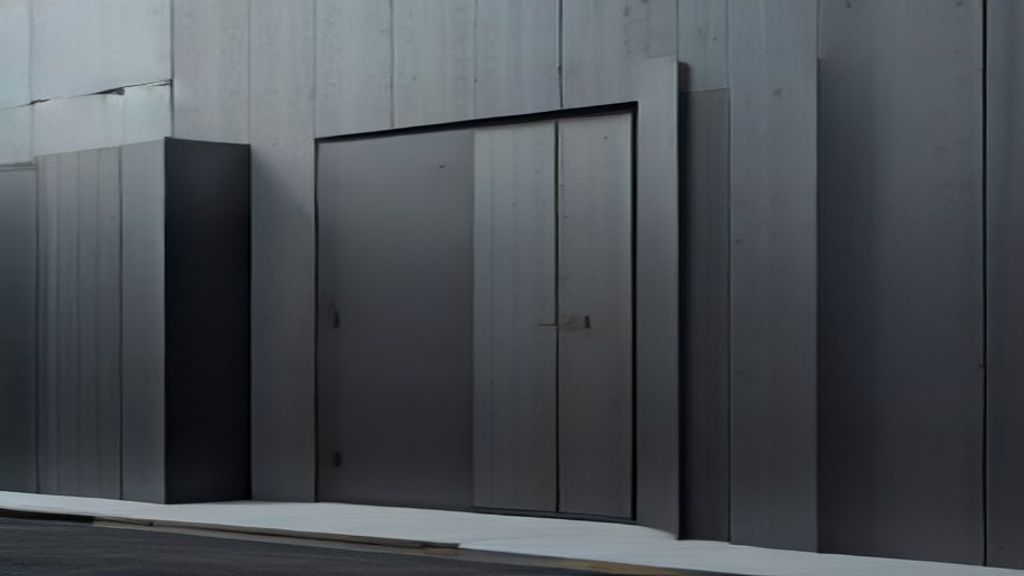
A pan that is supposed to look plane instead reads as a shallow oil can. Light rakes across it. The wall can still be attached and dry. The Whole Building Design Guide metal panel wall systems discussion is about assemblies. Oil canning is the appearance layer of that assembly — which is why it is judged by eye, in light, and why the argument at closeout is never really about structure.
Why is it not a defect under most warranties?
Because the manufacturer cannot promise away physics. Coil arrives with residual stresses from rolling and slitting — full center, wavy edge, camber — that no downstream process fully removes. Rollforming and folding add more. A flat panel is therefore always carrying some locked-in stress, and whether it shows depends on width, gauge, finish, light and temperature on a given afternoon. Panel and coating warranties cover finish adhesion, chalk and fade, and product integrity; they almost universally exclude oil canning by name, precisely because it is an appearance phenomenon that varies with viewing conditions rather than a measurable product failure.
That exclusion is not a trap; it is information. It tells you the flatness conversation will not be settled by a warranty claim, so it has to be settled in the specification, before fabrication.
What drives it?
Several contributors stack. None of them alone is usually decisive.
- Gauge. Thinner skins buckle visibly at lower stress. Aluminum wall panels at light gauges are the classic case.
- Panel width. The wider the unsupported flat, the longer the wave the eye can read. Width is the single most controllable geometry decision.
- Clip spacing and attachment. Widely spaced clips leave long unsupported spans; over-tightened or misaligned clips and over-driven fasteners push stress into the pan directly.
- Thermal load. Metal moves with temperature, and aluminum moves more than steel. South and west elevations cycle hardest. Attachment that blocks that movement converts expansion into compression in the skin.
- Substrate flatness. An out-of-plane girt line or a wavy sheathing plane telegraphs straight through a thin skin. The panel gets blamed for the substrate.
- Fabrication stresses. Slitting, rollforming, folding and handling each leave their signature. Tension-leveled coil, where offered, starts the panel flatter.
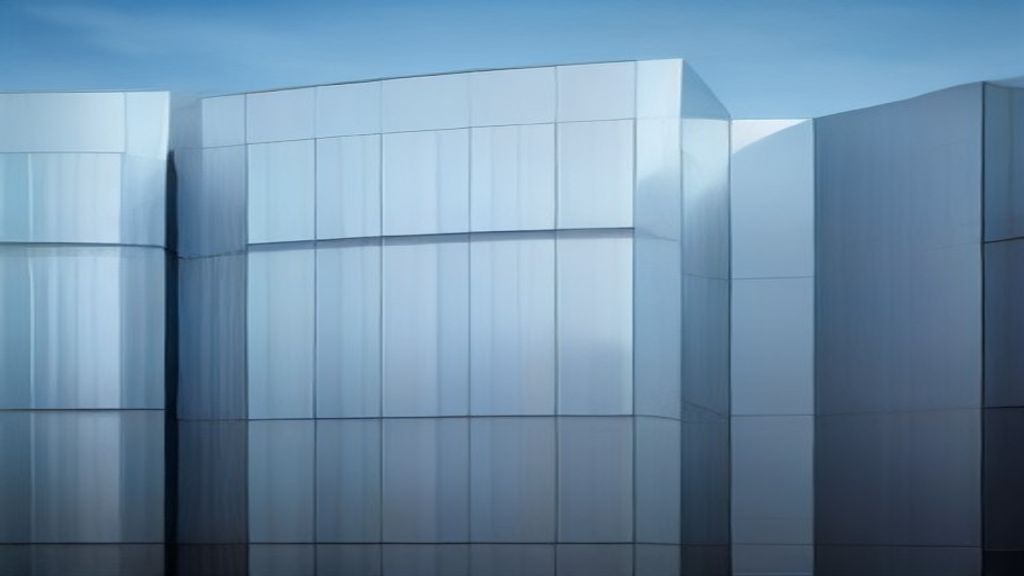
Finish then decides how much of all this you see. Metal panel finishes that are dark, glossy, mica or mirror-like are unforgiving; a matte light gray hides waves that a gloss black advertises.
What actually reduces it?
The levers, roughly in order of how early they must be pulled:
- Geometry first. Narrower modules and shorter flat fields shrink the readable wave. Metal cassette panels and Metal Composite Material panels add stiffness through their construction; corrugated metal wall panels hide the issue in the profile entirely.
- Striations and minor ribs. Small intentional lines across a flat pan break up reflection and stiffen the sheet. They change the look — decide with the architect early, not as a concession later.
- Gauge. Step up where the elevation demands wide glossy flats and the budget allows. It helps; it does not immunize.
- Backer rod and shims. Foam rod behind the center of a flat pan puts gentle outward tension into the skin so it holds one shape instead of popping between two. Use only where the system supports it.
- Floating attachment. Clips and slotted holes that let the panel expand and contract keep thermal movement from becoming skin compression. Single-skin metal panels need this discipline most, and correct installation torque rules keep the crew from pinning the panel to the frame.
- Substrate control. Set a flatness tolerance for girts or sheathing and verify it before panels hang. This is a coordination trap between trades: the framer’s acceptable is not automatically the panel installer’s acceptable.
- Finish. Specify low-gloss where flatness matters. It is the cheapest lever on the list.
How do lighting and viewing angle change the verdict?
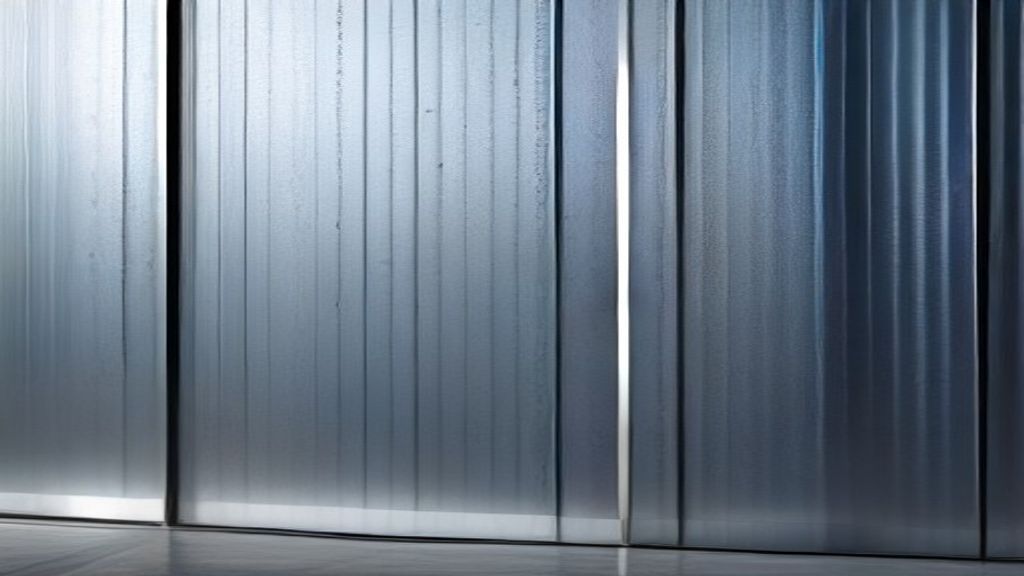
The same wall can pass at ten in the morning and fail at six in the evening. Oil canning is read in reflected light: low raking sun stretches every shallow wave into a long shadow, while diffuse overcast light flattens the wall visually. Distance matters the same way — waves that dominate from three meters vanish from thirty. Glossy dark finishes narrow the range of forgiving conditions; matte light finishes widen it.
This is why an inspection method that hunts for waviness — a flashlight held against the panel at night, a photo taken deliberately at grazing angle — will always find it, on any flat metal wall ever built. An acceptance standard that does not fix the lighting and the viewing position is not a standard; it is an invitation to shop for the worst hour of the day.
What should the spec actually say?
Write the flatness conversation into the contract instead of having it at closeout:
- Acknowledge the phenomenon. State that some degree of oil canning is inherent in flat architectural metal and is not, by itself, cause for rejection.
- Define the viewing standard. Judge panels from a stated distance, perpendicular-to-oblique within a stated angle, under uniform daylight — and state that raking artificial light is not an acceptance tool.
- Set the design controls as requirements. Maximum module width, minimum gauge, striations where agreed, floating clips, manufacturer torque or engagement rules, substrate flatness tolerance with pre-installation verification.
- Require a mockup. Build the widest, darkest, glossiest condition on the actual substrate, review it in real light, and make the accepted mockup the reference standard for the work.
- Reserve rejection for the genuine outliers. A panel that visibly deviates from the accepted mockup under the defined viewing conditions is replaceable; a wall that shimmers at sunset is metal doing what metal does.
Do not accept a rendering of a liquid-flat dark gloss wall as a contract document unless the system can actually deliver it. The cost of chasing perfection is on metal cladding cost — and the honest alternative, when the design cannot tolerate any waviness, is to change the design: profile it, panelize it smaller, or stop specifying gloss on the one elevation the sun rakes every evening.
Specification checklist
- State that some oil canning is inherent in flat metal.
- Set maximum module width and minimum stiffening for glossy flats.
- Choose gloss and color with waviness in mind.
- Consider striations or minor ribs on any wide flat pan.
- Require tension-leveled coil for wide flat panels where the manufacturer offers it.
- Set a substrate flatness tolerance and require verification before panel installation.
- Require floating clips or slotted attachment that allows thermal movement.
- Require manufacturer clip torque or engagement rules.
- Allow backer rod or shims behind flat pans where the system supports them.
- Define viewing distance and lighting for acceptance.
- Require a field mockup of the widest, glossiest panel condition before release.
Frequently asked questions
Is oil canning a defect?
It can be excessive, but some waviness is normal in flat architectural metal. Most manufacturer warranties explicitly exclude oil canning because it is an appearance phenomenon, not a failure of the coating or the panel. The specification should say so and set a viewing standard.
Does thicker metal always fix it?
Thickness helps because a stiffer skin resists visible buckling. But stiffening, narrower modules and a low-gloss finish often help more than a small gauge change alone, and thicker coil costs more across the whole elevation.
Why does the wall look worse at certain times of day?
Oil canning is read by reflected light. Low sun raking across a glossy dark elevation exaggerates every shallow wave; the same wall under overcast sky or at midday can look acceptable. That is why acceptance criteria must fix the lighting and viewing conditions, not just the wall.
Can oil canning be corrected after installation?
Rarely in place. Relieving a stressed panel usually means removing and reinstalling it, and replacement is the common remedy when a panel is genuinely out of tolerance. That is why the controls are design-time decisions, not punch-list items.
Does oil canning mean the panels were installed wrong?
Not necessarily. Coil stresses, panel geometry and thermal load can produce waviness on a correctly installed wall. But over-driven fasteners, pinned clips that block thermal movement, and unflat substrates are installation contributions, so installation review is still part of any dispute.
Will oil canning get worse over time?
It typically fluctuates rather than progresses. Waves move with temperature and sun exposure through the day and seasons. A sudden permanent change in flatness is a different problem — check attachment and substrate movement rather than blaming the coil.
Sources
- Metal Panel Wall Systems — Whole Building Design Guide Accessed August 25, 2026.